
Reasons to Invest in New Orleans Real Estate
Share this post
Key Takeaways
- New Orleans offers strong investment property potential through low entry prices, high cap rates, and faster paths to positive cash flow compared to many competing markets.
- Structural factors like high insurance costs and strict lending conditions are consistently pushing would-be buyers into renting, creating stable and ongoing demand for landlords.
- A diversified economy, major redevelopment projects, and year-round tourism collectively support long-term rental demand and appreciation opportunities across the market.
New Orleans, Louisiana is one of the most misunderstood real estate investment markets in the United States. However, sophisticated landlords and real estate investors are recognizing what the data actually shows a rental market with surging non-apartment demand, a growing GDP, an urban redevelopment corridor anchored by Shell's Gulf of Mexico operations, and an affordable acquisition cost.
At Upper Management Realty, we work with rental property owners and real estate investors throughout New Orleans every day. In this ultimate guide, we break down every major reason to invest in New Orleans, real estate.
Why Should You Invest in New Orleans Real Estate?
New Orleans is a compelling real estate investment market. Here are some key reasons to invest in the area:
Exceptional Affordability Advantage for Investors
Entry price matters enormously to investment returns, and New Orleans delivers one of the lowest acquisition costs among major Gulf South markets.
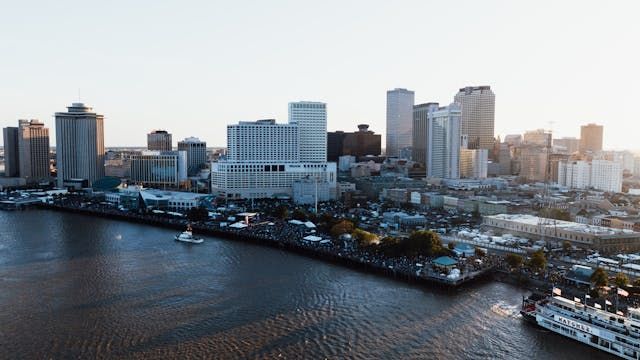
For investors, this means lower capital requirements, faster time to positive cash flow, and stronger cap rates relative to comparable properties in higher-priced Sun Belt metros.
Insurance and Affordability Pressures Drive Renters Into the Market
One of the most powerful and durable drivers of New Orleans rental demand is structural. Louisiana's property insurance premiums are much higher than the national average. For many would-be buyers in the New Orleans area, the combination of elevated insurance costs, mortgage rates, and stricter flood zone requirements has pushed them into the rental market instead.
For landlords, this structural conversion of buyers into renters represents stable, recurring demand.
The River District Redevelopment Transforms Investment Fundamentals
Anchored by Shell's Gulf of Mexico operations, the project will introduce a technology-focused corporate campus, affordable housing, entertainment venues, and cultural amenities. This is the type of anchor investment property that repositions surrounding neighborhoods for sustained appreciation and rental demand growth over the next decade.
Alongside the River District, the newly renovated Caesars Superdome and the planned Omni headquarters hotel are reinforcing New Orleans' national positioning as a premier events destination. These investment properties attract major conventions, sporting events, and entertainment productions that create sustained hospitality employment and support year-round rental demand across the metro.
New Orleans Has a Diversified Regional Economy
Rental demand is sustained by economic activity, and the New Orleans-Metairie MSA economy is larger, more diversified, and more resilient than many investors realize.

The economy's major pillars sustaining rental demand include:
- Energy and Maritime Trade: The Port of New Orleans is one of the busiest ports in the Western Hemisphere, anchoring a massive logistics, shipping, and energy services sector.
- Healthcare Expansion: LCMC Health's ongoing multi-hospital investment, along with major Ochsner projects, is redefining the region's medical corridor, creating stable healthcare employment that drives rental demand.
- Technology and Life Sciences: Growing investment in tech and life sciences sectors, supported by Louisiana's High Impact Jobs Program, is adding a new layer of renters to the tenant pool.
- Tourism and Hospitality: New Orleans' unmatched cultural identity as home to Mardi Gras, Jazz Fest, the French Quarter, and now major sporting events generates a tourism-driven hospitality sector.
Tourism-Driven Mid-Term and Long-Term Rental Demand
New Orleans is one of the few American cities where tourism is not a seasonal phenomenon. Mardi Gras, Jazz Fest, the French Quarter Festival, Essence Festival, Voodoo Fest, and a packed events calendar draw millions of visitors annually, sustaining one of the country's most durable hospitality sectors and creating unique rental demand opportunities for investors.
Strong Multi-Family and BRRRR Potential
New Orleans' multi-family market is delivering some of the strongest yield metrics in the Gulf South. With higher cap rates than peer markets, modest new construction, and sustained rent growth, rental income-focused investors are finding that New Orleans multi-family properties generate cash flow profiles that are genuinely difficult to replicate in higher-priced metros.

The BRRRR strategy (Buy, Rehab, Rent, Refinance, Repeat) works particularly well in New Orleans' older housing stock, especially in transitional neighborhoods where acquisition costs remain low, renovation quality drives meaningful forced appreciation, and rental demand from city employees, healthcare workers, and university staff provides a steady tenant pipeline.
What Investors Must Know Before Buying Rental Property in New Orleans
New Orleans is a genuinely rewarding investment property market, but it comes with specific considerations that every investor must understand and plan for before purchasing:
- Insurance: Louisiana property insurance premiums are above the national average. Factor insurance costs into every cash flow model before making an offer.
- Short-Term Rental Rules: If you are considering any short-term rental strategy, verify current permit availability, neighborhood zoning permissions, and platform compliance requirements before purchase.
- Flood Zone Due Diligence: Confirm the flood zone designation and FEMA flood map classification for any New Orleans property before purchase. Flood zone status directly affects insurance costs, financing terms, and long-term resale value.
- Deferred Maintenance in Older Stock: Much of New Orleans' rental housing inventory predates 1970. Budget maintenance reserves of 10–12% of gross rents annually for older properties, and invest in pre-purchase inspections that specifically address foundation, roofing, and electrical systems.
- Professional Property Management: New Orleans is one of the markets where professional investment property management delivers the clearest and most measurable return on cost.
Bottom Line
New Orleans offers rental property investors a rare combination of affordable acquisition markets, above-average cap rates, surging structural rental demand, a diversified $economy, and a cultural identity that sustains tourism-driven tenant demand. For investors who approach the market with the right local knowledge and professional management support, New Orleans is compelling.
Our local team at Upper Management Realty will walk you through the whole management process. Contact us today to learn more!